Source Eco-Friendly Bamboo Wine Rack for Office, Household, and Storage
Explore 30 listings of eco-friendly bamboo wine rack options suitable for office, household, and storage uses. Buyers can compare specifications like dimensions, weight, and customization features from verified Chinese manufacturers.
Key considerations
Products List


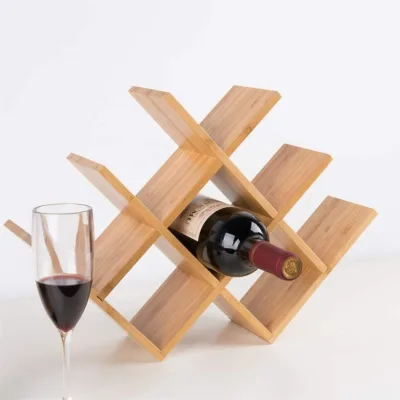
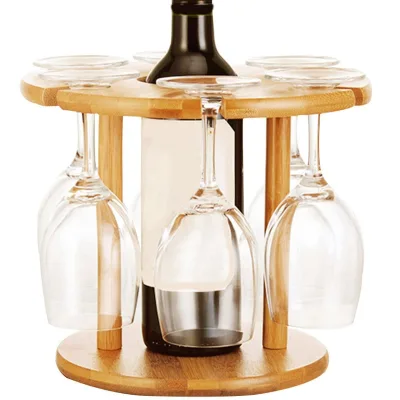
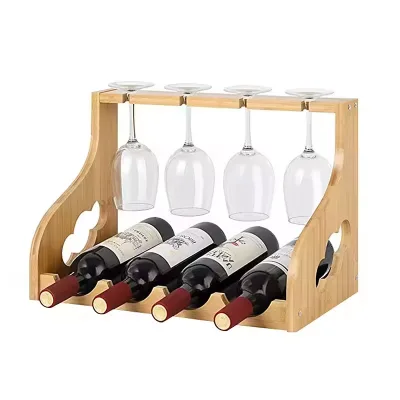
Foldable Tabletop Wine Display Glass Wine Bottle Holder Bamboo Wine Rack
$3.68 - $9.14
MOQ: 1000 Pieces

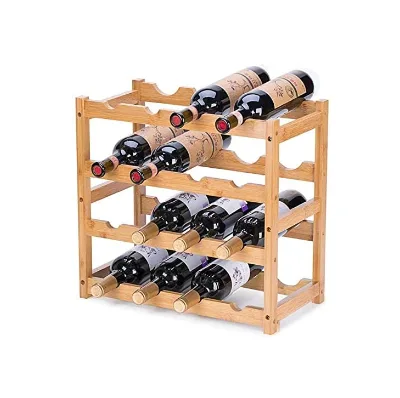
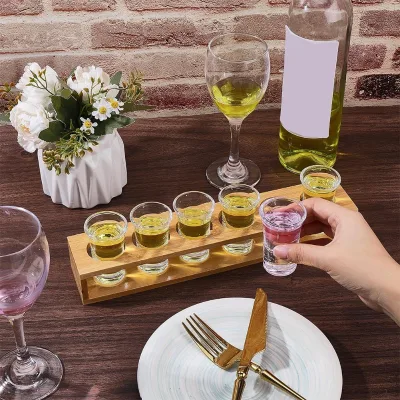
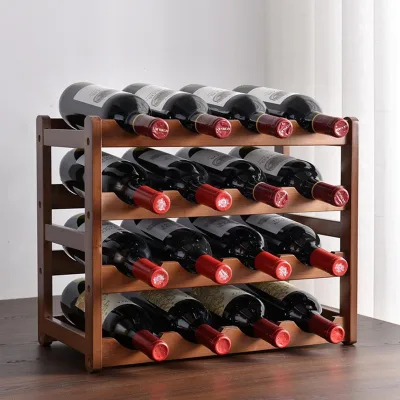
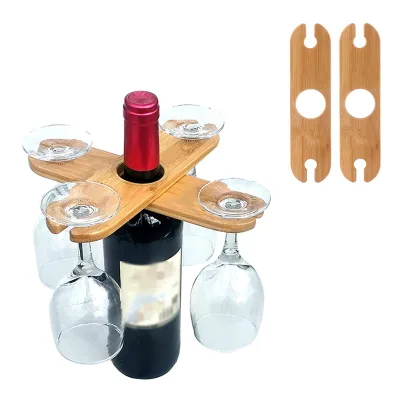


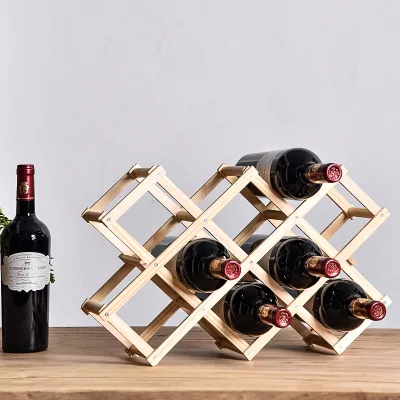
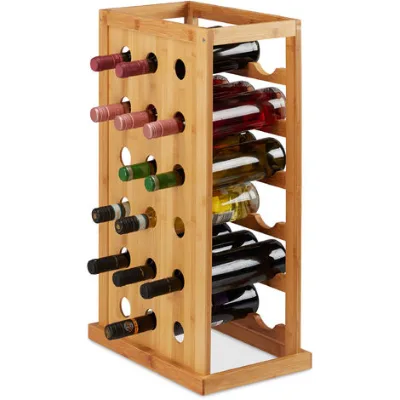
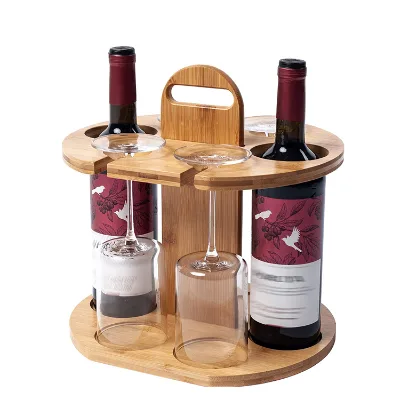
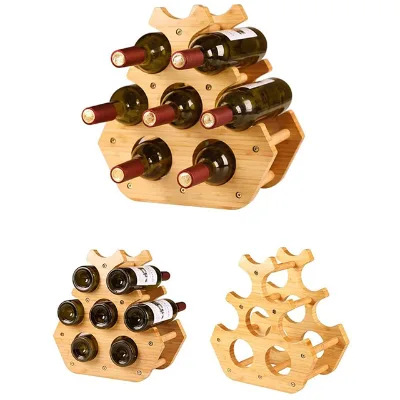
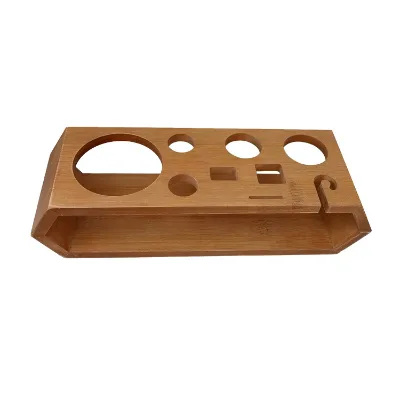
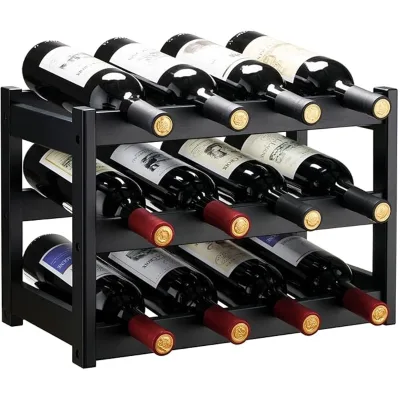
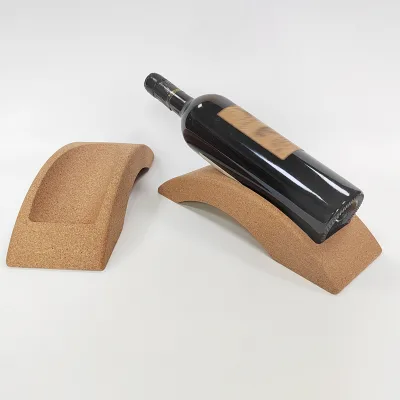

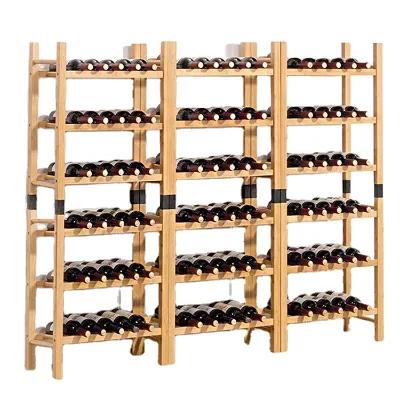
Bamboo Wood Wine Bottle Holder Wine Glass Rack for Wine Tabletop Display
$3.90 - $4.30
MOQ: 300 Pieces

Comprehensive Sourcing Guide
Strategic Sourcing Guide for Eco-Friendly Bamboo Wine Racks
The global shift toward sustainable materials has elevated bamboo from a niche alternative to a primary choice for B2B procurement in the home organization and hospitality sectors. For buyers specifically targeting eco-friendly bamboo wine racks, the sourcing landscape requires a nuanced understanding of material properties, manufacturing capabilities, and supply chain logistics. This guide synthesizes observed market data and technical attributes to provide a disciplined framework for evaluating potential suppliers and products. The focus remains on factual observations derived from current product listings, ensuring that procurement decisions are grounded in verified specifications rather than marketing assertions.
Understanding Material Properties and Product Attributes
The foundation of any successful procurement strategy for bamboo products lies in verifying the specific botanical and processing characteristics of the material. In the current market, "Bamboo" is the primary material designation, but deeper inspection reveals that specific varieties, such as Mao Bamboo, are frequently utilized for structural integrity and aesthetic appeal. Buyers must recognize that the material is often processed through carving techniques, which adds a layer of artisanal value but also introduces variability in production times and quality control requirements.
The visual and functional attributes of these racks are critical for matching product to application. Observed listings indicate a strong prevalence of "Natural Color" and "Bamboo Color" finishes, which align with the eco-friendly narrative by minimizing chemical dyes. However, some products feature "Printed" surface treatments, which may involve inks or coatings that require verification for environmental compliance. The style of these racks is predominantly "Modern" or "Original," catering to diverse interior design preferences ranging from contemporary offices to traditional households.
A key observation in the current inventory is the weight specification, with specific models weighing approximately 0.94kg. This metric is vital for logistics planning, as it directly impacts shipping costs and handling requirements. Furthermore, the product type is consistently categorized as "Handicraft" or "Practical" storage solutions, suggesting that while the items are functional, they often retain a degree of manual craftsmanship that differentiates them from mass-produced plastic alternatives. The "Eco-Friendly" feature is a standard attribute, yet buyers should treat this as an observation of the material's renewable nature rather than a guaranteed certification without third-party validation.
Technical Specifications and Dimensional Standards
Precision in technical specifications is paramount when sourcing custom or semi-custom storage solutions. The dimensional data available in the market reveals a range of standard sizes, indicating that suppliers offer both off-the-shelf and bespoke options. Specific models, such as those identified by codes like HYK08036, HYK08031, and HYK08004, adhere to distinct standard dimensions. For instance, one observed standard is 43x17x30cm, while another measures 50x19x7.6cm. These variations suggest that the racks are designed for different bottle counts or spatial constraints.
The shape of the racks is predominantly rectangular, which offers stability and efficient use of floor or counter space. Some listings specify a "Folded" state as "Unfolded," implying that certain models may be collapsible or designed for flat-pack shipping to reduce volumetric weight. This is a significant consideration for international logistics, as flat-pack designs can drastically reduce shipping costs compared to pre-assembled units.
Capacity is another critical technical parameter. While specific bottle counts are not always explicitly listed as a fixed number, capacity ranges are noted, such as 1000-2000ml for storage holders. This suggests that the racks are designed to accommodate standard wine bottle sizes, but buyers must verify the internal geometry to ensure compatibility with their specific inventory. The "Sets" attribute indicates that some products are sold in configurations of 1-3 pieces, which allows for modular expansion of storage systems.
Compliance, Certification, and Environmental Claims
In the realm of eco-friendly procurement, compliance and certification are often the most scrutinized areas. While the market data lists "FSC" (Forest Stewardship Council) as a background certification, it is categorized as low-confidence background information. This distinction is crucial: buyers should not assume that every listed product carries FSC certification based solely on the keyword association. Instead, the presence of "FSC" in general market discussions should prompt a specific verification request during the supplier evaluation phase.
The "Eco-Friendly" attribute is a common observation, but without a specific certification standard attached to the product listing, it remains a descriptive claim rather than a verified fact. Buyers must request documentation to substantiate these claims, particularly regarding the sourcing of the bamboo and the adhesives or finishes used in the "Printed" surface treatments. The "Customized" and "Customization" attributes suggest that suppliers are willing to adapt products, which opens the door for buyers to request specific eco-compliant modifications, such as water-based finishes or specific bamboo origins.
When evaluating compliance, the "Condition" of the product is listed as "New," which is a standard expectation but worth confirming to avoid receiving refurbished or damaged goods. The "Logo" and "Package" customization options allow buyers to align the product with their own corporate sustainability goals, such as using recycled packaging materials or removing non-essential branding to reduce waste.
Cost Drivers and Pricing Dynamics
The pricing landscape for bamboo wine racks is characterized by a wide range, with observed values spanning from $1.87 to $57.23 USD. This significant variance is driven by several factors, including the complexity of the carving process, the specific bamboo type used, and the level of customization required. The "Modern" style and "Handicraft" nature of the products often command a premium over simpler, machine-made alternatives.
Minimum Order Quantity (MOQ) is a critical cost driver. The observed MOQ range is 1 to 1000 units, with a specific high-confidence fact noting an MOQ of 500PCS for certain models. This suggests that while some suppliers may accommodate small trial orders, larger volume orders are often required to access the lower end of the price spectrum. Buyers must balance the need for inventory flexibility with the cost benefits of bulk purchasing.
Payment terms are another factor influencing the total cost of ownership. The standard payment structure observed is "T/T 30% Deposit, 70% Balance," which is a common practice in international trade but requires careful cash flow management. The "Fob Port" of Fuzhou, China, indicates the point of origin for shipping, and buyers should factor in freight costs from this specific location to their final destination. The "Sample Time" of 5-7 days and "Production Lead Time" of 45-50 days are also cost variables, as longer lead times can impact inventory planning and potential stockouts.
Supplier Evaluation and Verification Protocols
Selecting the right supplier requires a rigorous evaluation process that goes beyond the initial product listing. The "prod_origin" is consistently listed as China, with specific mentions of Fujian as a production hub. This regional concentration suggests a mature supply chain with specialized expertise in bamboo processing. However, buyers should verify the specific factory capabilities rather than relying on general regional data.
The ability to customize is a key differentiator. Attributes such as "Customize Logo Acceptable," "Customize Package Acceptable," and "Customized" status indicate that suppliers are flexible. Buyers should assess the supplier's capacity to handle these customizations without compromising quality or lead times. The "Sample Lead Time" of 5-7 days is a positive indicator of responsiveness, but the "Production Lead Time" of 45-50 days is substantial and requires advanced planning.
Quality control is essential, especially given the "Carving" process which can introduce inconsistencies. Buyers should request samples to verify the "Natural Bamboo Color" and the structural integrity of the "Rectangular" shape. The "Weight" of 0.94kg serves as a benchmark for consistency; deviations from this weight in bulk orders could indicate material density issues or manufacturing defects.
Quality Control and Long-Term Procurement Considerations
Maintaining quality over the long term requires a proactive approach to quality control. The "Surface Treatment" of "Printed" products should be tested for durability and resistance to fading or peeling, especially in environments with high humidity or direct sunlight. The "Eco-Friendly" claim should be supported by regular audits of the supply chain to ensure that the bamboo is sourced sustainably and that the processing methods do not introduce harmful chemicals.
The "Packing" specifications, such as "Shrink Wrap+Carton" or "1PC/Inner Box," are critical for protecting the product during transit. Buyers should verify that the packaging is robust enough to prevent damage, particularly for the "Handicraft" items which may have delicate carved details. The "Customized Package" option allows for further protection or branding, which can be a strategic advantage for retail partners.
Long-term procurement considerations also include the scalability of the supplier. With an observed capacity range of 1000-2000ml for storage, suppliers should be able to scale production to meet growing demand without compromising the "Modern" or "Original" style. The "Suitable for: Office" and "Usage: Household" attributes suggest a broad market appeal, but buyers should ensure that the supplier can maintain consistent quality across these different application contexts.
Comparative Analysis of Product Models
To facilitate decision-making, it is helpful to compare the key specifications of the observed models. The following table summarizes the critical data points for the primary models identified in the market.
| Model Code | Dimensions (cm) | Weight (kg) | Style | Material | Key Feature |
|---|---|---|---|---|---|
| HYK08036 | 43x17x30 | 0.94 | Modern | Bamboo | Eco-Friendly |
| HYK08031 | 50x19x7.6 | N/A | Modern | Bamboo | Customized Logo |
| HYK08004 | 54.5x10.5x11.8 | N/A | Original | Bamboo | Practical |
| HYK08067 | 60x24x25 | N/A | Original | Bamboo | Storage Holder |
This comparison highlights the diversity in dimensions and styles available. While the weight is explicitly listed for HYK08036, buyers should request weight data for other models to ensure accurate logistics planning. The "Original" style models may offer a more traditional aesthetic, while the "Modern" models align with contemporary design trends. The "Practical" and "Storage Holder" attributes confirm the functional utility of these products across different use cases.
Conclusion
Sourcing eco-friendly bamboo wine racks requires a balanced approach that combines technical verification with strategic supply chain management. The market offers a wide range of options, from simple storage holders to intricately carved modern racks, all grounded in the renewable properties of bamboo. By focusing on verified specifications, requesting appropriate certifications, and understanding the cost drivers associated with customization and lead times, buyers can build a resilient supply chain. The observed data provides a solid foundation for evaluation, but the ultimate success of the procurement effort depends on rigorous supplier vetting and ongoing quality assurance. As the demand for sustainable products continues to grow, the ability to navigate these complexities will be a key differentiator for successful B2B procurement strategies.
FAQs
What customization options are available for bamboo wine racks?
Customization is available for logos and packaging on these bamboo wine racks. Buyers can request customized logos and packages to align with their brand identity, though specific design requirements may affect the sample time of 5-7 days and production lead time of 45-50 days.
How long does production take for custom orders?
Production lead time ranges from 45 to 50 days for custom orders of bamboo wine racks. This duration applies after the sample phase, which takes 5 to 7 days, and is required to complete the carving and printing processes on the Mao Bamboo material.
Can I order samples before placing a bulk order?
Yes, samples are available with a lead time of 5 to 7 working days. This allows buyers to verify the natural bamboo color, rectangular shape, and 0.94kg weight before committing to a bulk order that may require a minimum order quantity of 500 pieces.
What is the minimum order quantity for these racks?
The minimum order quantity is 500 pieces for specific models like HYK08036. While some listings show an MOQ range of 1 to 1000, the high-confidence fact indicates 500 pieces is the standard threshold for accessing the supplier's production capabilities.
Where are these bamboo wine racks manufactured?
These racks are manufactured in China, specifically originating from Fujian. The products are shipped from the Fuzhou port, which serves as the FOB location for international logistics and helps determine the final delivery timeline and freight costs.
What payment terms are required for these orders?
The standard payment term is a 30% deposit via T/T with the remaining 70% balance due later. This structure applies to the bamboo wine racks and requires buyers to manage cash flow accordingly before the 45 to 50 day production period begins.